Let’s be honest for a second. Most small business owners in the UK are currently chucking money down the drain. You spend a fortune on Google Ads, you’ve spent weeks perfecting your website, and you’re active on social media. But when the phone rings or an email hits your inbox, what happens?
If you’re like most SMEs, the answer is "not enough." Maybe you’re out on a job, or your receptionist is busy, or you simply don’t get back to that email until the following morning. By then, the prospect has already called your competitor, booked a quote, and moved on with their lives.
In the world of service businesses: whether you’re an electrician, a lawyer, or a consultant: your biggest enemy isn't your competition. It’s your own inability to manage enquiries.
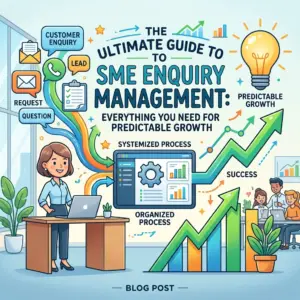
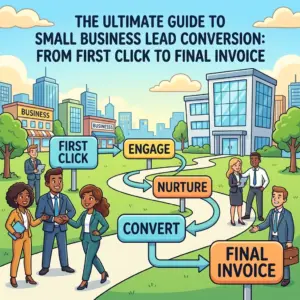
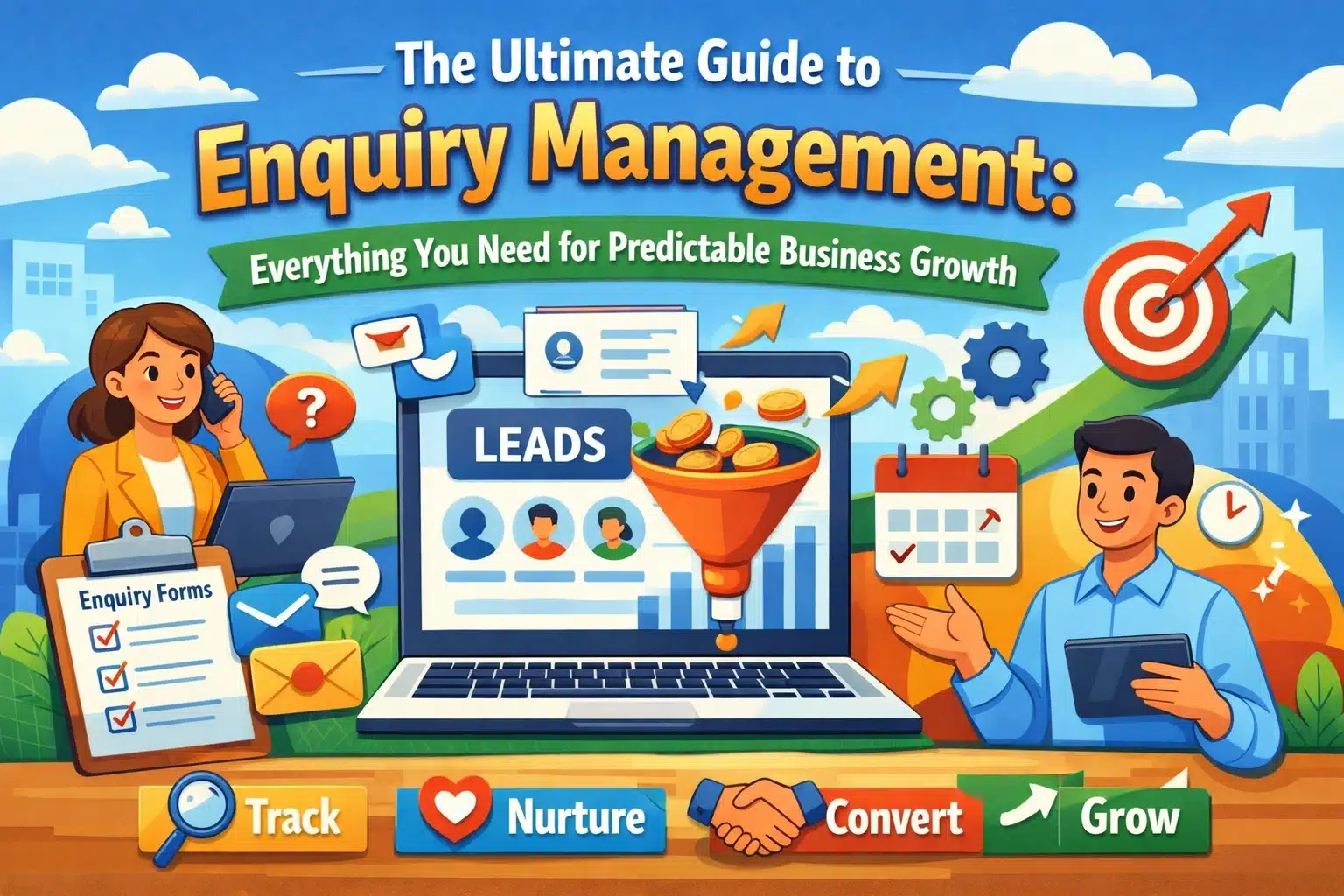
At Every Enquiry, we see it every day. Businesses focus so much on "getting more leads" that they completely ignore the system required to turn those leads into money. This guide is here to fix that. We’re going to look at the three pillars of predictable growth: Visibility, Response, and Conversion.
Pillar 1: Visibility – Being Found by the Right People
Visibility is the top of the funnel. If nobody knows you exist, you won’t get any enquiries. Simple. But here’s where most people get it wrong: they think visibility just means "more traffic."
Following Marcus Sheridan’s They Ask, You Answer principles, visibility should be about being the most helpful teacher in your niche. You don't just want eyeballs; you want the right eyeballs. This starts with your website.
Stop Hiding the Truth
If a potential customer lands on your site and can’t find the answers to their basic questions: like "How much does this cost?" or "How long will it take?": they will leave. Transparency creates trust. Trust creates enquiries.
Many UK SMEs are terrified of putting prices on their website. They think it’ll scare people off or help their competitors. In reality, it does the opposite. It filters out the "tyre kickers" and attracts the serious buyers who appreciate your honesty.
Is Your Website Actually Working?
You might have a beautiful website, but if it’s not optimised for conversion, it’s just a digital brochure. You need clear calls to action (CTAs). Don’t just have a "Contact Us" page buried in the footer. Every page should tell the user exactly what to do next.

If you’re wondering why your current traffic isn't turning into phone calls, you might want to ask: is your website losing you money? The hidden cost of missed enquiries starts right here, at the visibility stage.
Multi-Channel Presence
In 2026, visibility isn't just about Google. It’s about being where your customers are. This includes social media. But don’t just post for the sake of it. Use these platforms to answer common questions and show the face of the business.
Effective social media management is more than just posting updates; it's about building an environment where people feel comfortable reaching out. You can learn more about our approach to this on our social media category page.
Pillar 2: Response – The "Speed to Lead" Reality
This is where the wheels usually fall off. You’ve worked hard for the visibility, the prospect has decided they like you, and they’ve sent an enquiry. Now, the clock is ticking.
The 2-Minute Rule
According to research by Harvard Business Review, businesses that try to contact potential customers within an hour are nearly seven times as likely to have a meaningful conversation as those who wait even 60 minutes.
In the SME world, we go even further. We call it the 2-minute rule. Why? Because 78% of customers buy from the company that responds to their enquiry first. If you’re the second person to call back, you’re already fighting an uphill battle.
The Cost of a Missed Call
Every missed call is a missed opportunity. If your average job value is £500 and you miss five calls a week, you’re potentially losing £130,000 in revenue every year. When you look at the simple maths of missed calls, it’s enough to make any business owner feel a bit sick.
Why Your Current Response System is Failing
Most SMEs handle enquiries in one of three ways:
- The Owner-Operator: You answer the phone while you're on a ladder or driving. You sound stressed, you forget to write down the details, and you forget to follow up.
- The Overwhelmed Receptionist: They’re trying to manage the office, greet visitors, and answer the phone. Things get missed.
- The Voicemail: The "black hole" of business. Customers hate leaving voicemails, and they rarely wait for a callback.

To fix this, you need a 5-step framework to improve response times. It’s not just about working harder; it’s about having a system that ensures the first reply wins.
Enter the Digital Receptionist
One of the most effective ways to solve the response problem without hiring a full-time staff member is using a digital receptionist. This isn't just an answering service; it’s a professional front-end for your business that ensures every lead is captured, qualified, and logged immediately.
Pillar 3: Conversion – Turning "Maybe" into "Yes"
You’ve got the visibility. You’ve responded quickly. Now you need to close the deal. This is the "Conversion" stage of enquiry management.
Why Spreadsheets are Killing Your Growth
If you are still tracking your leads on a spreadsheet (or worse, in a paper diary), you are losing money. Spreadsheets are where leads go to die. They don’t remind you to follow up. They don’t show you the history of the conversation. And they certainly don’t help you see the "big picture" of your sales funnel.
Moving away from manual tracking is essential. We’ve written extensively about why spreadsheets are killing your growth and why a structured system is the only way to scale.
The Power of Structured Follow-Up
Most sales aren't made on the first contact. They are made on the fourth, fifth, or sixth touchpoint. But most SMEs give up after one try.
A proper enquiry management system includes a structured follow-up process. This could be:
- An immediate "Thank you" email with a helpful guide.
- A follow-up call 24 hours later if the quote hasn't been accepted.
- A "Check-in" text three days later.
By automating and structuring this, you stop losing leads without hiring more staff.
Addressing Fears and Objections
Conversion happens when the customer feels safe. Use your follow-up process to address their fears. If you’re a tradesperson, they’re worried you won’t show up or you’ll leave a mess. If you’re a professional firm, they’re worried about hidden fees.
Answer these questions before they even ask them. This is the core of how to turn enquiries into sales without spending more on marketing.

Comparing Enquiry Management Methods
To help you decide which path is right for your business, we’ve put together this comparison table. It looks at the three most common ways UK SMEs handle their lead flow.
| Feature | The DIY Method (Manual) | The Software-Only Method | The Every Enquiry Managed Method |
|---|---|---|---|
| Response Speed | Slow / Inconsistent | Fast (Automated) | Instant & Professional |
| Lead Capture | Easy to miss | Good | 100% Guaranteed |
| Follow-up | Rare / Forgetful | Automatic (but can feel cold) | Structured & Personalised |
| Setup Cost | Low | Medium | Strategic Investment |
| Ongoing Effort | Very High | Medium | Very Low |
| Scalability | Poor | Good | Excellent |
| Conversion Rate | Low (Leaky Bucket) | Moderate | High (Optimised) |
As you can see, while the DIY method seems "free," the hidden cost of lost business makes it the most expensive option by far. For more on this, check out our 10 reasons why your lead conversion isn't working.
The 3 Systems That Fix Leaky Enquiries
If you feel like your business is a "leaky bucket," you aren't alone. Most SMEs suffer from "enquiry leakage." This is when a lead comes in but disappears before it becomes a sale.
According to the Federation of Small Businesses (FSB), UK small businesses often struggle with productivity due to administrative burdens. Enquiry management is one of those burdens that, when automated, can drastically improve your bottom line.
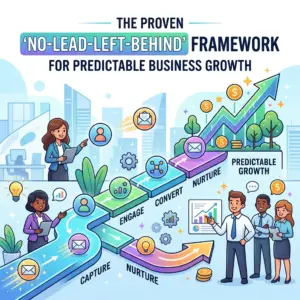
To fix the leak, you need three specific systems working in harmony:
- A Capture System: To ensure no call or email is ever missed.
- A Qualification System: To ensure you are only spending time on leads that can actually pay you.
- A Nurture System: To keep your business top-of-mind until the prospect is ready to buy.
You can read more about the 3 systems that fix leaking enquiries to understand how they work together to create predictable growth.
Why Speed of Response is Your Best Sales Tool
We can't stress this enough: speed is a differentiator. In a world where everyone is "busy," being the business that answers the phone on the second ring or replies to an email within ten minutes is a superpower.
It tells the customer:
- You are organised.
- You value their time.
- You are professional.
If you can’t get the response time right, the rest of your marketing doesn't matter. The power of prompt response is the single biggest lever you can pull for customer acquisition.
Final Thoughts: Moving Toward Predictable Growth
Enquiry management isn't just about "answering the phone." It's about building a machine that consistently turns interest into income. By focusing on Visibility (the right traffic), Response (speed and professionalism), and Conversion (structured systems), you take the guesswork out of your business growth.
Stop letting your hard-earned leads slip through the cracks. The real cost of slow follow-up is far higher than you think, but the solution is within reach.
If you’re ready to see how a managed enquiry system could transform your business, take a look at our Enquiry Handling services or contact Martyn and the team today.
Frequently Asked Questions
1. I’m a small business, do I really need a formal enquiry management system?
Yes. In fact, SMEs need it more than big corporations. A big company can afford to lose a few leads; a small business can’t. Every missed enquiry is a significant percentage of your potential monthly revenue.
2. Is a digital receptionist better than a real person?
A digital receptionist is often a real person, just not one sitting in your office. The benefit is they are dedicated solely to handling your enquiries, so they never miss a call because they’re filing paperwork or making coffee.
3. How much does poor enquiry management actually cost?
It depends on your average lead value. However, most service businesses find that improving their response time and follow-up increases their conversion rate by at least 20-30%. For many, that’s the difference between struggling and thriving.
4. Won't automation make my business feel "cold" and impersonal?
Not if you do it right. Good enquiry management uses automation to handle the speed, which then frees you up to have more meaningful, personal conversations with qualified leads.
5. What is the first step I should take to improve my lead handling?
Start by tracking your missed calls for one week. You’ll likely be shocked at the number. Once you see the data, the need for a system like Every Enquiry becomes very clear. You can start by looking at our 5-step framework.