Let's talk about something most UK service businesses don't measure: what it costs them when they follow up too slowly.
You get an enquiry. You're busy. You think, "I'll get back to them tomorrow." It feels harmless.
It's not.
The Numbers Don't Lie
According to the UK Customer Satisfaction Index, poor service is costing UK firms £7.3 billion every month. That's not a typo. And slow follow-up sits right at the heart of "poor service."
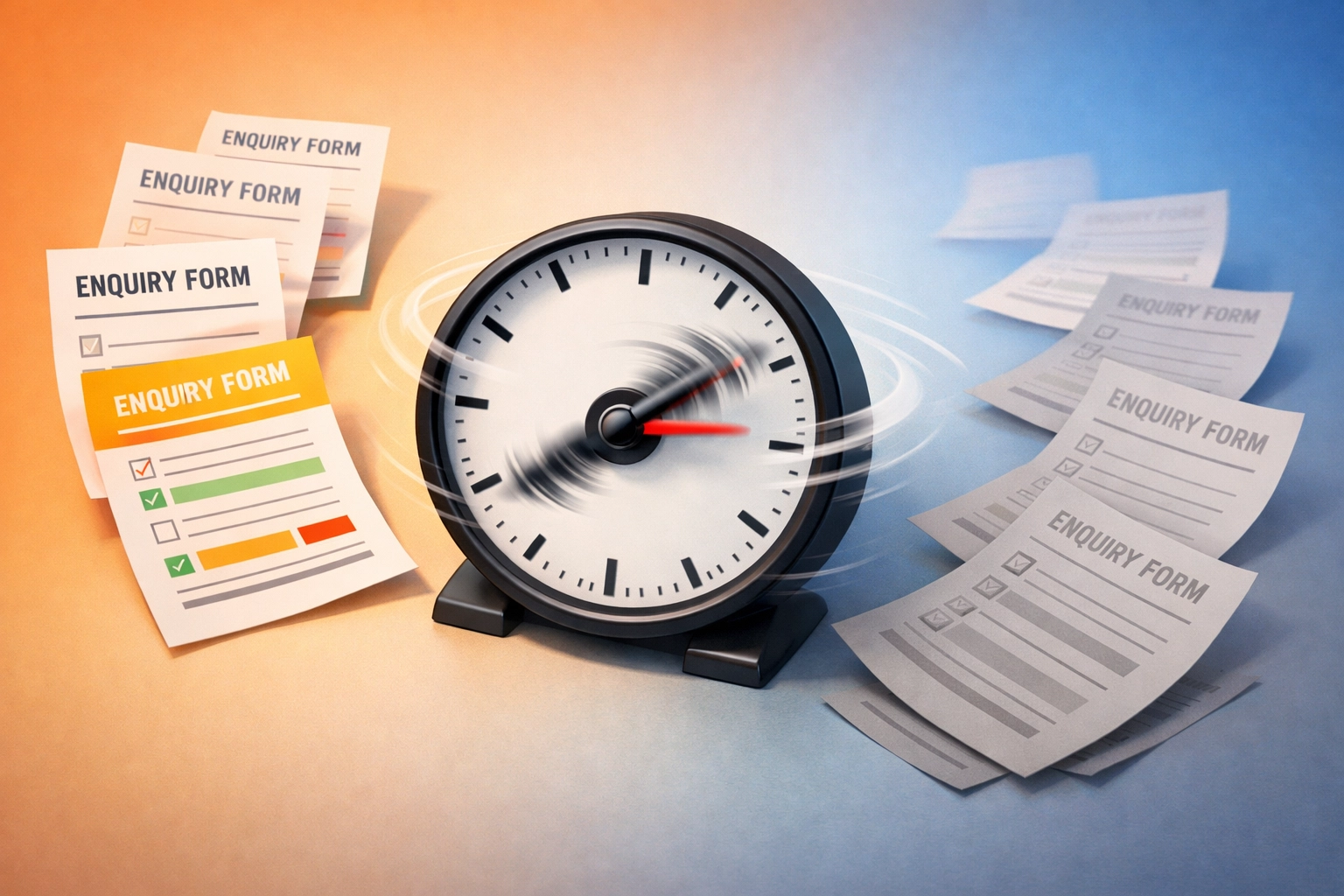
Here's why: when someone enquires about your service, they're hot. They're comparing you with two or three competitors. Whoever replies first usually wins.
Let's do the maths on your business specifically.
Say you get 50 enquiries per month. Your normal conversion rate is 20% (that's 10 new customers). If your average project value is £2,000, you're bringing in £20,000 monthly from new enquiries.
Now, let's say you reply to half of those enquiries the same day, and half the next day. Studies consistently show that same-day responses convert at roughly double the rate of next-day responses. Sometimes more.
Here's what that looks like:
- 25 enquiries with same-day follow-up at 30% conversion = 7.5 customers
- 25 enquiries with next-day follow-up at 15% conversion = 3.75 customers
- Total: 11.25 customers instead of your usual 10
But flip that around. What if you're mostly slow?
- 15 enquiries with same-day follow-up at 30% = 4.5 customers
- 35 enquiries with next-day (or later) follow-up at 15% = 5.25 customers
- Total: 9.75 customers
You've just lost a quarter of a customer per month. That's £500. Over a year? £6,000 in lost revenue from the exact same marketing spend.
And that's being generous. Many service businesses take 2-3 days to follow up. At that point, conversion rates drop even further.
Why Same-Day Response Wins
It's not magic. It's psychology and competition.
When someone submits an enquiry, they're in "buying mode." They've done the research. They're ready to talk. They want this problem solved.
If you reply within an hour or two, you catch them while they still care. You're also probably the first to reply, which positions you as the keen, professional option.
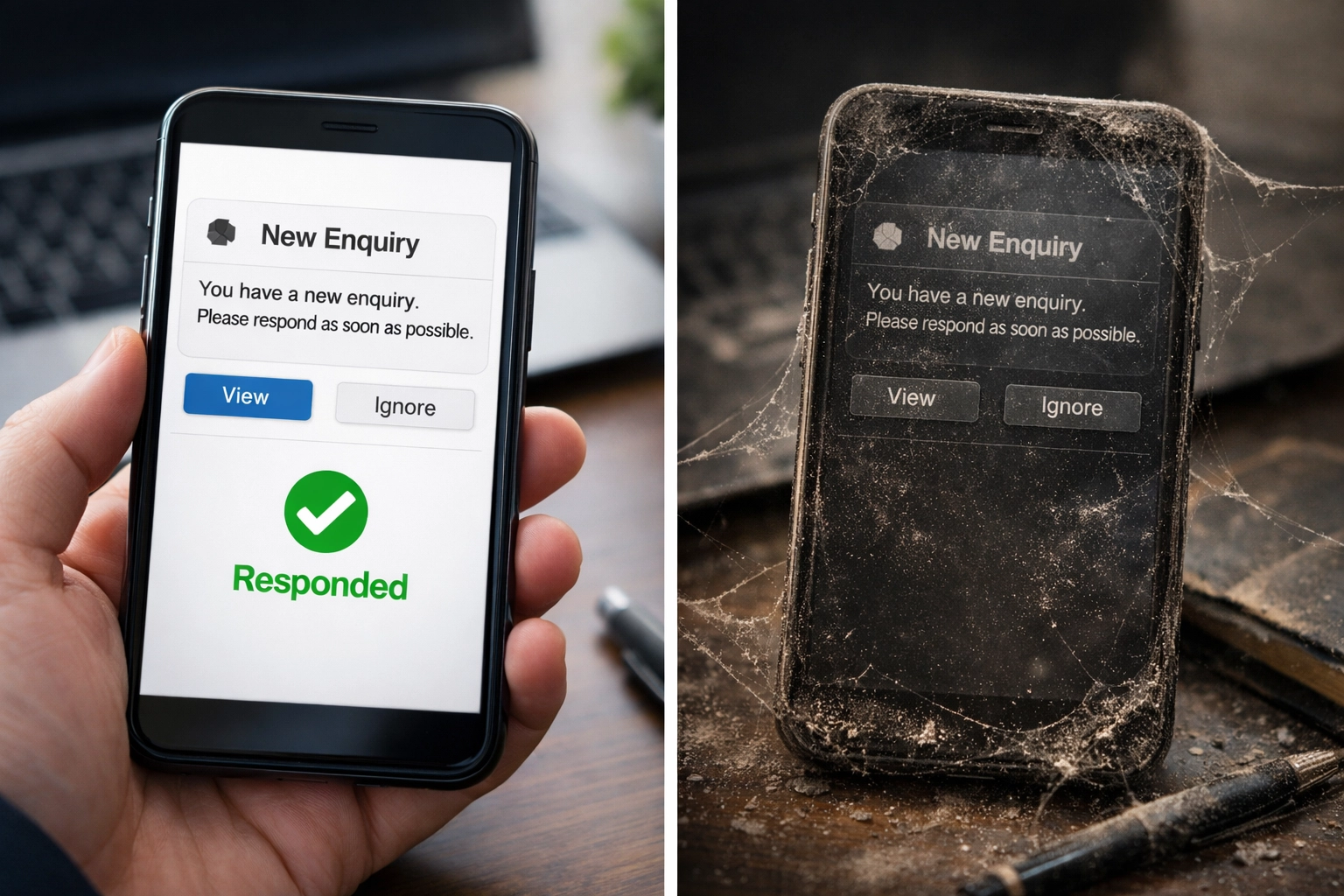
If you reply the next day, two things have happened:
- They've moved on mentally. The urgency has faded. They're back to running their business or life.
- Your competitor has already replied. And they're now the frontrunner.
This isn't about being "better" than your competitor. It's about being first. First reply sets the frame. First reply gets the meeting booked. First reply often gets the job.
The Compound Effect Over Time
Let's scale this out across a year for a typical UK service business.
You lose one customer per month due to slow follow-up. That's 12 customers at £2,000 each. £24,000 in year one.
But those 12 customers would have had a lifetime value. Let's say they come back once, or refer someone. Now it's £48,000 over two years.
For a business doing £200,000 annual revenue, that's nearly a quarter of your turnover. Gone. Not because your service is bad. Not because your pricing is wrong. Because you were slow to reply.

This is the bit that stings: you're still paying for the marketing that generated those enquiries. Whether it's Google Ads, SEO, or word-of-mouth, you've spent money to get people to contact you. Slow follow-up is like pouring petrol on the ground instead of into your tank.
What "Slow" Actually Means
Let's be specific. In 2026, for most UK service businesses:
- Same-day response = replied within 2-4 hours of enquiry
- Next-day response = replied 24 hours later
- Slow response = 2+ days later
If you're taking 2-3 days to reply, you're not in the running anymore. The prospect has either chosen someone else or given up entirely.
And here's the uncomfortable truth: most small UK service businesses fall into the "slow" category. Not because they don't care, but because they're busy delivering the work they've already got.
That's the trap. You're too busy doing the work to win the next work. Then the pipeline dries up. Then you panic and spend more on marketing. Then you get busy again. Repeat.
It's not sustainable. And it's definitely not predictable business growth.
The Real Fix: A Follow-Up System for Small Business
You don't need more staff. You don't need to work longer hours. You need a follow-up system for small business that works whether you're on-site, in a meeting, or on holiday.
Here's what that looks like in practice:
1. Instant Acknowledgement
Every enquiry gets an immediate automated reply confirming you've received it and when they'll hear from you properly. This buys you time and stops them contacting competitors.
2. Same-Day Follow-Up (Ideally Within 2 Hours)
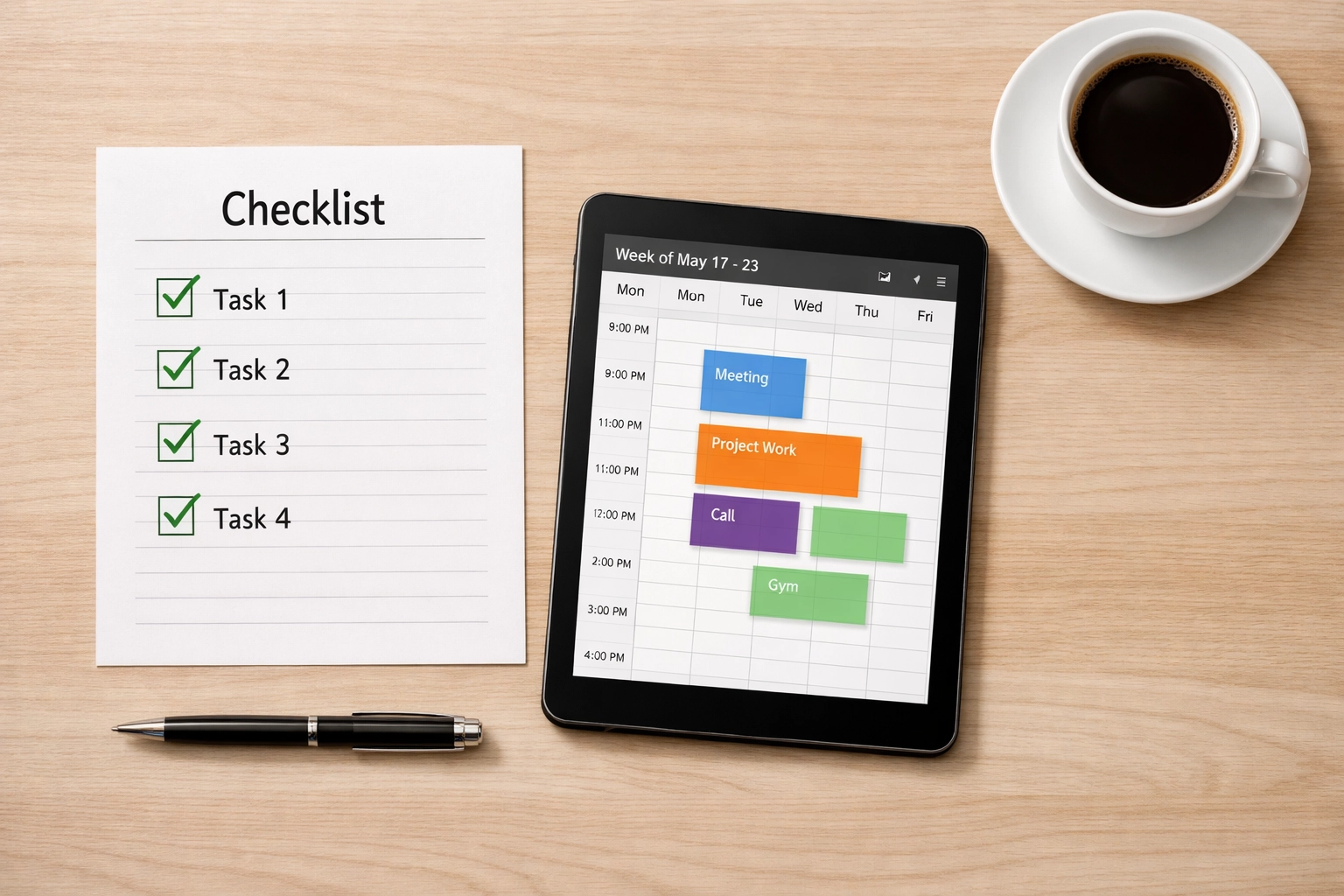
Block time each day, morning and afternoon, to respond to new enquiries. Treat it like a client meeting. Because it is.
3. A Simple Tracking System
Whether it's a spreadsheet, CRM, or enquiry management tool, you need to see every enquiry in one place, with status and next action visible. No more "I thought you replied to that one."
4. Automated Reminders
If an enquiry hasn't been followed up within 4 hours, you (or your team) get a nudge. If it's not been closed or booked within 48 hours, another nudge.
This isn't complicated. But it does require intention. Most businesses wing it. And that's expensive.
What This Looks Like in Real Terms
Let's revisit our earlier example, but this time with a proper follow-up system in place.
You get 50 enquiries per month. Now, because you've got instant acknowledgement and same-day follow-up as standard:
- 45 enquiries get same-day follow-up at 30% conversion = 13.5 customers
- 5 enquiries (the ones that came in late Friday) get next-day follow-up at 20% = 1 customer
- Total: 14.5 customers per month
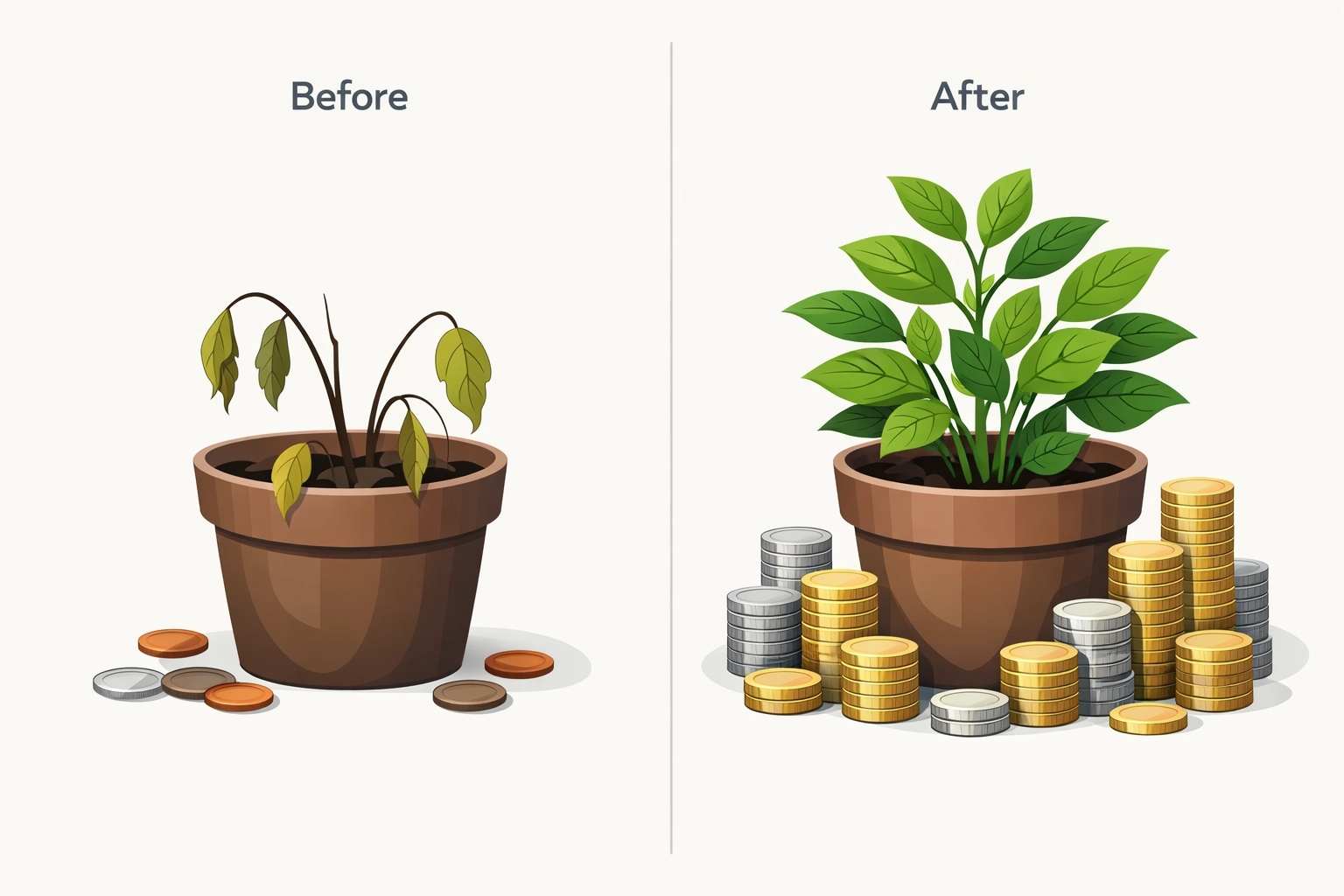
That's 4.5 more customers per month than your slow follow-up scenario. At £2,000 per customer, that's £9,000 extra revenue monthly, or £108,000 per year.
Same marketing spend. Same service quality. Just faster follow-up.
That's the cost of being slow. And that's the opportunity of being fast.
The Bottom Line
Slow follow-up isn't a minor inefficiency. It's a revenue leak that costs UK service businesses thousands, sometimes tens of thousands, every year.
You can't control how many enquiries come in (well, you can, but that's another topic). But you absolutely can control how fast you respond.
Speed isn't about being desperate. It's about being professional. It shows the prospect that if you're this responsive before they're a customer, you'll probably be pretty good once they've signed up.
And that's the signal that wins work.
If you want predictable business growth, start here. Measure your average response time. Set a same-day standard. Build a follow-up system that doesn't rely on you remembering to check your email.
Do that, and you'll stop leaving money on the table.
The question isn't whether you can afford to speed up your follow-up. It's whether you can afford not to.