If you are running a service-based SME in the UK, you probably know the feeling of the "feast or famine" cycle. One month, the phone won’t stop ringing, and you’re wondering how you’ll ever get the work done. The next month? Silence. It’s stressful, it makes hiring impossible, and it’s the primary reason why many brilliant businesses stay small.
Most business owners think the solution is "more marketing." They want more clicks, more followers, and more eyes on their website. But here is the hard truth we see at Every Enquiry: more leads won’t fix a broken system. If you pour more water into a leaky bucket, you just end up with a wet floor and a higher water bill.
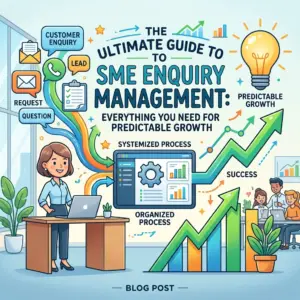
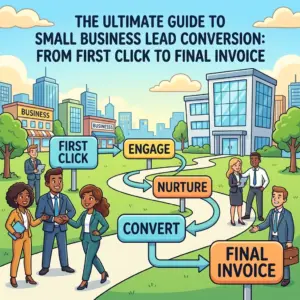
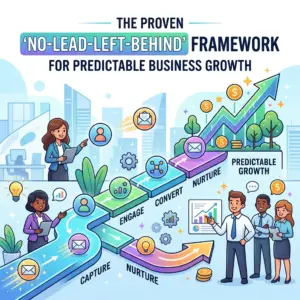
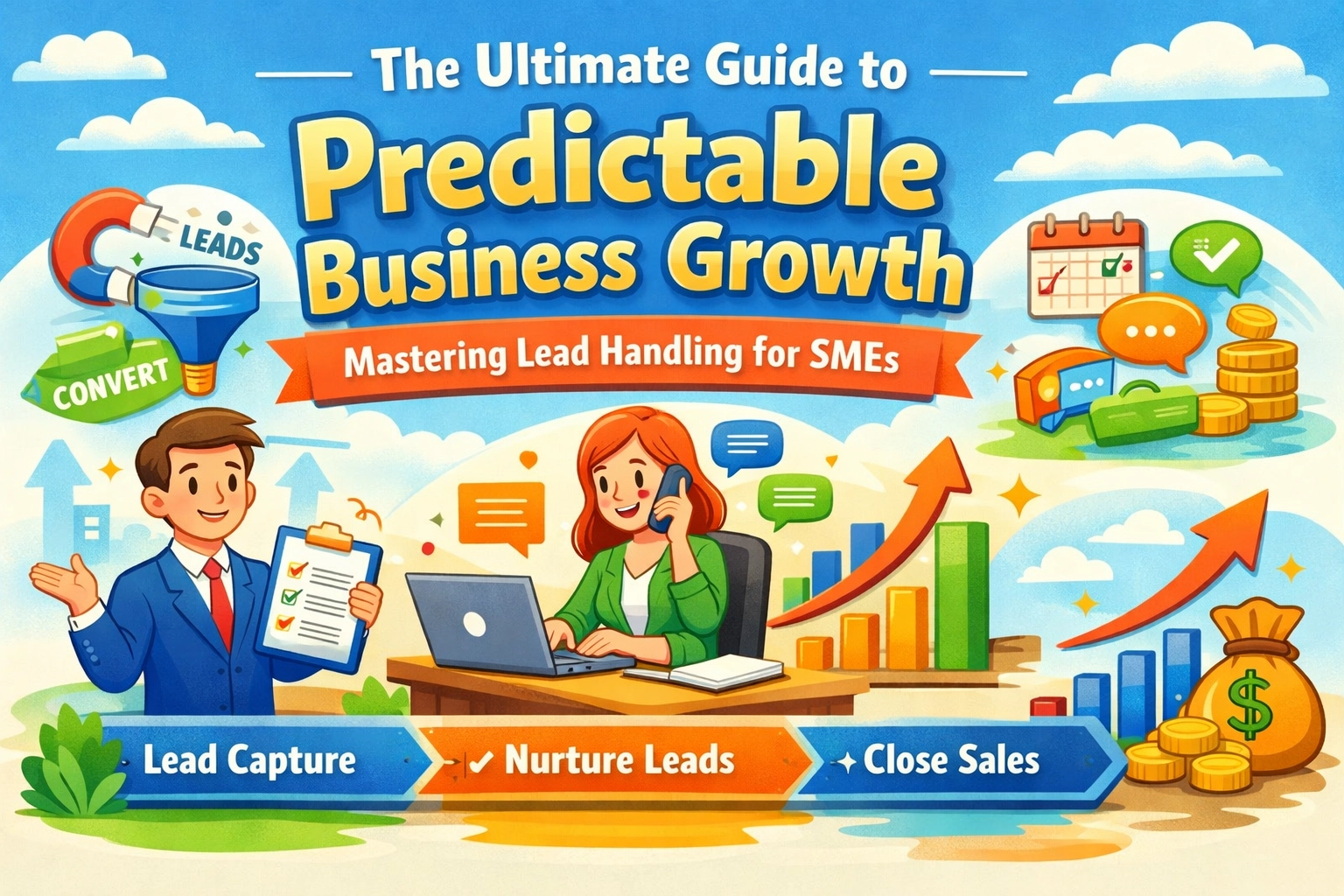
Predictable growth isn't about luck. It’s about a system. Specifically, a system that masters three distinct phases: Visibility, Response, and Conversion.
In this guide, I’m going to break down how you can stop guessing and start growing by mastering the art and science of lead handling.
The Growth Gap: Why Most SMEs Struggle
The "Growth Gap" is the space between someone finding your business and them actually paying you. Most SMEs invest heavily in the "finding" part but neglect the "handling" part.
According to research by the Harvard Business Review, businesses that try to contact potential customers within an hour of receiving a query are nearly seven times as likely to have a meaningful conversation as those who wait even sixty minutes. Yet, the average response time for an SME is often measured in days, not minutes.
If you want predictable growth, you have to bridge this gap. You have to move from being reactive: answering the phone when you aren't on a job: to being proactive and systematic.

Phase 1: Visibility – Being Found by the Right People
You can’t handle a lead that doesn’t exist. The first pillar of predictable growth is Visibility. But let’s be clear: visibility for the sake of visibility is a vanity metric. You don't need "reach"; you need "relevance."
For a local service business: whether you’re a roofer in Reading or an accountant in Altrincham: visibility usually comes down to three things:
- Search Intent: Are you appearing when people search for "service + near me"?
- Trust Signals: Does your Google Business Profile have recent reviews and honest photos?
- Educational Content: Are you answering the questions your customers are actually asking?
Following the "They Ask, You Answer" philosophy, your visibility strategy should be built on transparency. If customers are worried about the cost of your service, write a blog post about it. If they are comparing you to a competitor, write a comparison. When you address the "elephant in the room," you don't just get more traffic; you get better-qualified leads.
You can learn more about how we structure this on our services page.
Phase 2: Response – The "Make or Break" Moment
This is where the magic (or the tragedy) happens. Response is the bridge between visibility and conversion.
Imagine a potential customer finds your website at 8:00 PM. They are stressed because their boiler has packed up or they need a legal document signed by Monday. They fill out your contact form.
If you respond on Monday morning, they’ve already booked someone else.
The Cost of the Missed Call
Every missed call is a missed opportunity, but it’s also a wasted marketing spend. If you spent £500 on Google Ads this month and generated 10 leads, each lead cost you £50. If you missed 4 of those calls because you were busy working, you didn’t just lose the potential revenue; you literally threw £200 into the bin.
Digital Receptionists vs. Manual Handling
Many SME owners try to do it all. They have the "office phone" diverted to their mobile. They answer calls while on-site, over the sound of a drill, or while driving. This isn't professional, and it doesn't scale.
A systematic approach involves using enquiry handling solutions. Whether it’s a dedicated digital receptionist or an automated response system, the goal is to ensure that the customer feels "heard" immediately.
For a deeper dive into this, check out our article on the power of prompt response.

Phase 3: Conversion – Turning "Hello" into "How much?"
Once you’ve mastered visibility and response, you need to focus on Conversion. This is the process of nurturing a lead until they are ready to buy.
Conversion isn’t about being a "pushy salesperson." In fact, if you’ve done your visibility and response work correctly, the sale should feel like the natural next step.
The Fortune is in the Follow-up
Did you know that 80% of sales require five follow-up calls after the initial contact? Most SMEs give up after one or two. Predictable growth requires a follow-up system. This could be as simple as a CRM (Customer Relationship Management) tool that reminds you to call back, or an automated email sequence that provides more value to the prospect.
Transparency Wins
One of the best ways to improve conversion is to be honest about your pricing and your process. Don't hide your rates. If you are more expensive than the "man in a van" down the road, explain why. People don’t always want the cheapest option; they want the best value and the least risk.
Comparing Lead Handling Models
To give you a better idea of where your business might sit, let’s look at a comparison of different approaches to lead handling.
| Feature | The "Solo" Approach | The Traditional Agency | The Every Enquiry Way |
|---|---|---|---|
| Response Time | Whenever you’re free (hours/days) | Depends on their "lead gen" focus | Immediate (minutes) |
| Lead Quality | Mixed – no filtering | High volume, low quality | Vetted and qualified |
| Visibility | Random social posts | Paid ads only | Content-driven & Organic |
| Follow-up | If you remember | Rarely handled | Automated & Systematic |
| Growth Potential | Capped by your time | Expensive to scale | Predictable and scalable |
The Math of Predictable Growth
To truly master growth, you need to understand your numbers. You don't need a degree in statistics, but you do need to know two key figures:
- Customer Acquisition Cost (CAC): How much does it cost you in marketing and time to get one new customer?
- Customer Lifetime Value (CLV): How much is that customer worth to you over the months or years they stay with you?
If your CAC is £100 and your CLV is £1,000, you have a business you can scale. You can confidently spend more on visibility because you know the return is there.
However, if your response and conversion rates are low, your CAC will skyrocket. If you only convert 1 in 10 leads, your CAC is £100. If you can improve your system to convert 3 in 10, your CAC drops to £33. That is how you "find" money to grow without spending a penny more on ads.

Common Pitfalls to Avoid
Even with the best intentions, SMEs often fall into these traps:
- The "I'm Too Busy" Excuse: Being too busy to handle leads is like being too busy driving to stop for petrol. Eventually, you will stall.
- Over-complicating Technology: You don't need a £5,000 enterprise software package. You need a simple system that works every time.
- Ignoring the "No": Not every lead is a good fit. Part of a good handling system is disqualifying people who aren't right for your business, saving you time and frustration.
- Neglecting Existing Customers: It is much cheaper to sell to a past customer than to find a new one. Your lead handling system should include "re-engagement" of your existing database.
Implementing the System
So, how do you start? You don't have to change everything overnight.
- Audit your current response time. Have a friend "secret shop" your business. Fill out your form or call your number. See how long it takes to get a response. The result might shock you.
- Fix the leaks. Before you spend more on social media marketing, ensure your phone is being answered and your emails are being tracked.
- Answer the "Big Five" questions. Write content for your website that addresses Pricing, Problems, Comparisons, Reviews, and Best-in-class lists. This is the cornerstone of the "They Ask, You Answer" method.
- Track everything. Use a simple spreadsheet or a CRM to track where every lead came from and what happened to it.
For many businesses, the simplest way to do this is to partner with experts who understand the unique challenges of SMEs. At Every Enquiry, we specialise in exactly this: taking the weight of lead management off your shoulders so you can focus on what you do best. You can see our pricing here to see how it fits your budget.

Final Thoughts from Martyn
Growth doesn't have to be a rollercoaster. When you move away from "hoping the phone rings" and toward a structured system of Visibility, Response, and Conversion, you regain control. You can plan your hiring, you can invest in new equipment, and: most importantly: you can sleep better at night.
Mastering lead handling is the single most effective thing you can do for your business this year. It's not flashy, and it's not a "get rich quick" scheme. It's just good, solid business.
If you’re ready to stop losing leads and start growing predictably, we’re here to help. Check out our blog section for more tips, or contact us directly for a chat.
Frequently Asked Questions (FAQ)
What is the ideal response time for a new enquiry?
The gold standard is under 5 minutes. Research shows that your chances of qualifying a lead drop by 10x if you wait longer than 5 minutes. Even if you can’t provide a full quote immediately, an acknowledgement that you’ve received the query and a timeframe for a follow-up is essential.
Why shouldn't I just use a standard answering service?
Standard answering services often just take a name and number. They don't "handle" the enquiry. A proper lead management system qualifies the lead, answers basic questions based on your FAQs, and schedules the next step. It’s the difference between a message taker and a digital receptionist.
Is lead handling software expensive for a small business?
It doesn't have to be. Many CRM and automation tools have "freemium" versions or low-cost tiers for SMEs. The real "cost" isn't the software; it's the lost revenue from the leads you aren't currently closing. When you look at the ROI, a good system usually pays for itself within the first few converted leads.
How do I know which marketing channel is providing the best leads?
This is where tracking is vital. By using unique phone numbers or tracking links for different campaigns (Google Ads vs Facebook vs Organic), you can see exactly which channel is driving the most profitable work, not just the most calls.
Can I automate my lead handling without losing the "personal touch"?
Absolutely. Automation should handle the repetitive, "boring" parts: like the initial acknowledgement or the appointment reminder. This actually frees up more of your time to give a truly personal, high-quality service when you finally speak to the customer or visit their site.
What if I don't have enough leads to justify a "system"?
If you don't have many leads, every single one is even more precious. A system ensures you have a 100% "hit rate" on those few opportunities. Furthermore, the visibility part of the system is designed to increase that lead flow in the first place.
Do I really need to put my prices on my website?
Yes. According to Marcus Sheridan’s principles, "Cost and Price" is the number one thing people search for. If you don't talk about it, they will go to a competitor who does. You don't have to give a final quote, but you should explain your pricing structure and the factors that influence the final cost.