You’ve spent money on ads. You’ve posted on LinkedIn until your thumbs are sore. You’ve finally got people visiting your website. But then, nothing. The phone doesn’t ring as much as it should, and your inbox is surprisingly quiet. Or worse, the enquiries do come in, but they vanish into a black hole before they ever turn into a paid invoice.
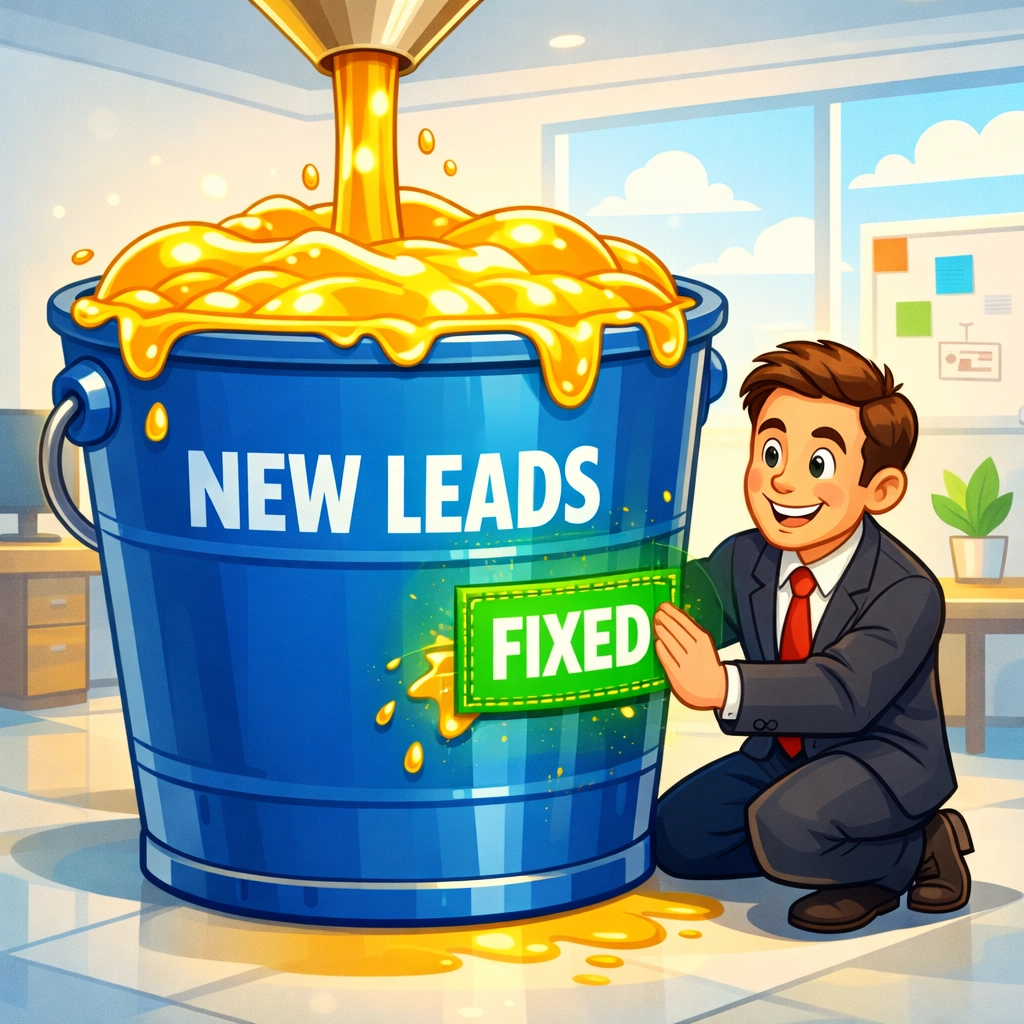
If you’re running a small to medium-sized service business in the UK, whether you’re a plumber, a solicitor, or a consultant, you’re likely facing the "leaky bucket" problem. You’re pouring leads in at the top, but they’re spilling out through the holes in your process.
At Every Enquiry, we see this every day. Small business owners are experts at what they do, but they aren't always experts at lead management. That is where we come in. This guide will walk you through the three pillars of turning a stranger into a loyal customer: Visibility, Response, and Conversion.
Part 1: Visibility – Winning the Click by Answering the Questions
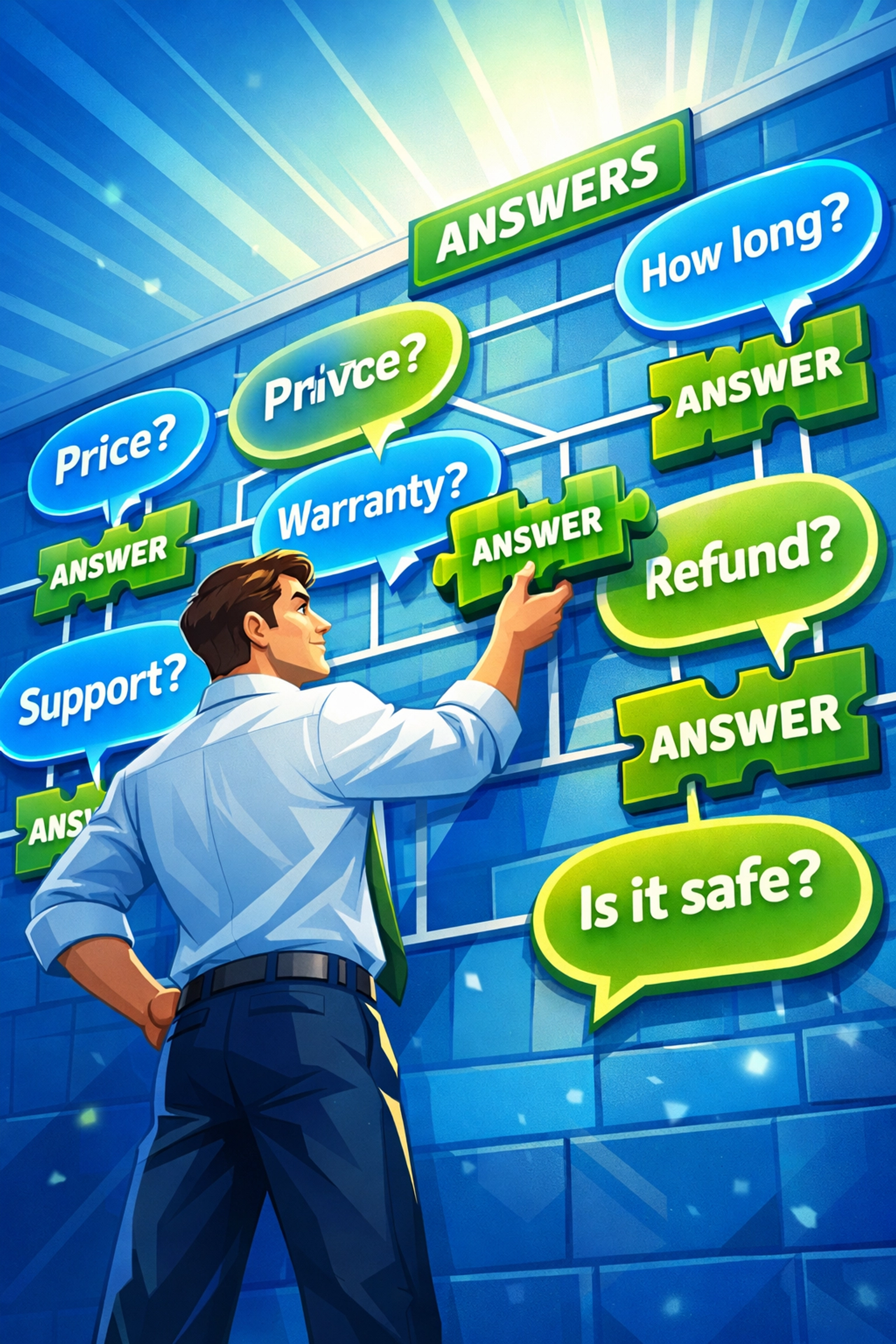
Visibility isn't just about being seen; it’s about being seen as the solution. Most businesses focus on "shouting" their services. They put up a website that says, "We are the best." But according to Marcus Sheridan’s They Ask, You Answer philosophy, customers don't care if you think you're the best. They care if you can answer their questions.
Stop Hiding the Facts
If you want to improve your visibility, you need to talk about the things your competitors are afraid of. This includes:
- Cost and Pricing: Why do most UK service businesses hide their prices? It’s the number one thing customers search for. Even if you can’t give an exact quote, give a range or explain the factors that influence the price.
- Problems and Issues: Talk about what can go wrong. If you’re a roofer, write about why some roof repairs fail. It builds massive trust.
- Comparisons: How do you stack up against the "other guys" or alternative solutions?
The Topic Cluster Strategy
Instead of writing random blog posts, organise your content into clusters. If you specialise in commercial landscaping, create a "pillar page" about commercial grounds maintenance. Then, link smaller, specific articles to it, like "How much does lawn aeration cost in Manchester?" or "Top 5 shrubs for low-maintenance office fronts."
This structure tells search engines you are an authority. For more on how content drives results, check out Marcus Sheridan’s principles at Impact Plus.
Part 2: Response – The Speed to Lead Revolution
You’ve got the click. The prospect has filled out your contact form. Now, the clock is ticking.
In the UK, the "speed to lead" is the single biggest factor in whether or not you win the job. Research published by the Harvard Business Review shows that businesses that respond to enquiries within five minutes are nearly 100 times more likely to qualify the lead than those who wait even 30 minutes.
Why Small Businesses Fail at Response
Most SMEs are busy doing the work. You’re on a building site, in a courtroom, or in a client meeting. You can’t answer the phone. So, the call goes to voicemail.
Here is the cold, hard truth: In 2026, nobody leaves voicemails. They just hang up and call the next person on Google.
The Digital Receptionist and Multi-Channel Approach
You need a system that acts as a digital receptionist. This doesn't necessarily mean a person sitting at a desk 24/7. It means an automated, structured response system.
- Instant Text Back: If you miss a call, an automated text should go out immediately saying, "Sorry we missed you, we're on a job. How can we help?"
- Email Confirmation: As soon as a form is filled, they should get a value-packed email, not just a "thanks, we'll be in touch."
- The Human Touch: You still need to follow up personally, but the automation buys you the time to do it.
To dive deeper into this, read our guide on how to improve response times.

Part 3: Conversion – Moving from "Maybe" to "Yes"
Conversion is where the money is made. It’s the bridge between a polite enquiry and a final invoice. Many small businesses think conversion is about being a "slick" salesperson. It’s not. It’s about Enquiry Management.
The Structured Follow-Up System
Most leads require between 5 and 12 touchpoints before they buy. Most small business owners give up after two.
A structured follow-up system ensures no lead is left behind. You should be using a CRM (Customer Relationship Management) tool to track where every lead is in the journey. If you aren't sure why your current process is failing, have a look at our 10 reasons your lead conversion isn't working.
Qualifying Your Leads
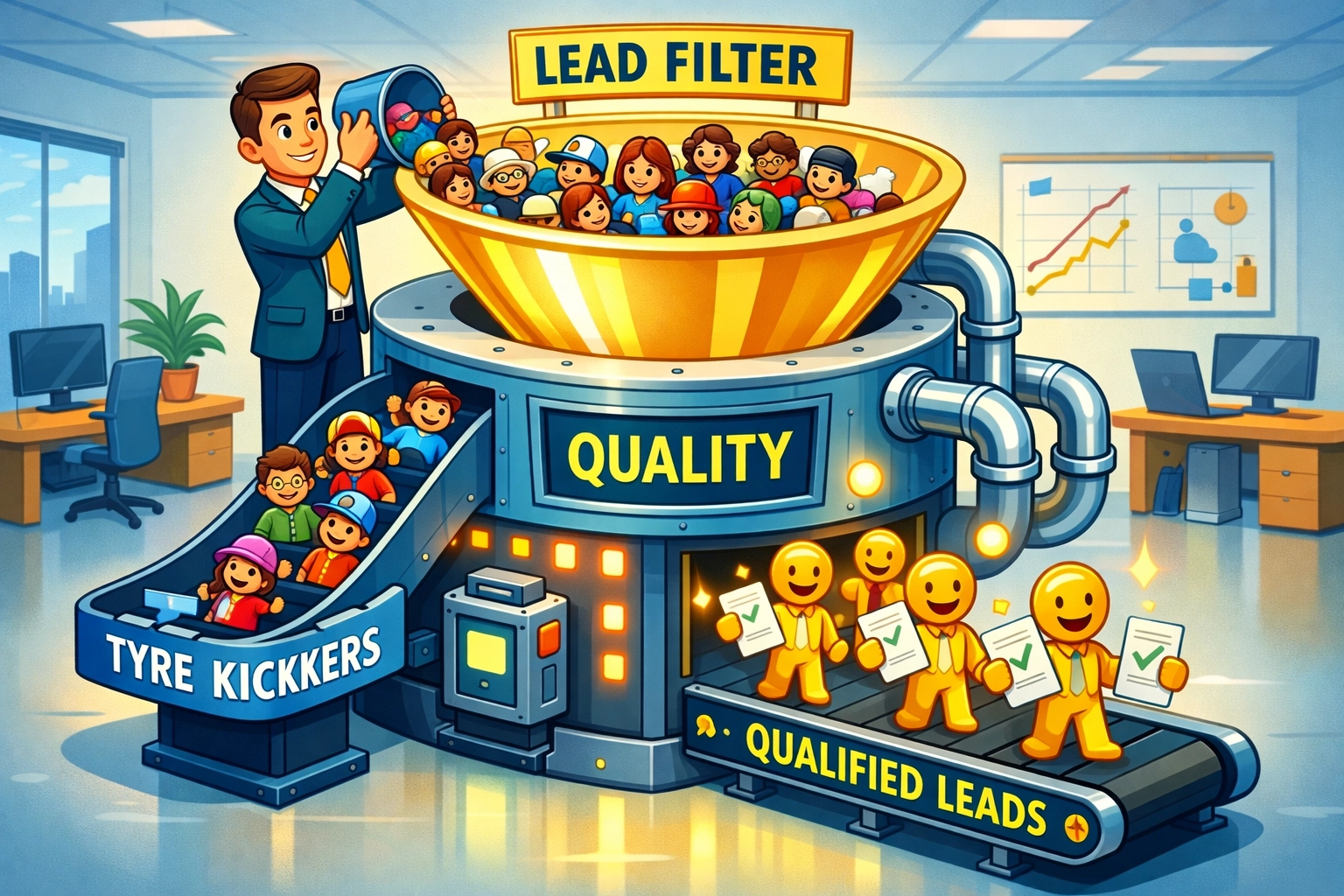
Not every lead is a good lead. You should spend your time on the prospects most likely to convert. Ask qualifying questions early:
- What is your budget for this project?
- What is your timeline?
- Have you worked with a [service provider] before?
By filtering out the "tyre-kickers," you can focus your energy on high-value conversions.
Comparing the Approaches: DIY vs. Structured Systems
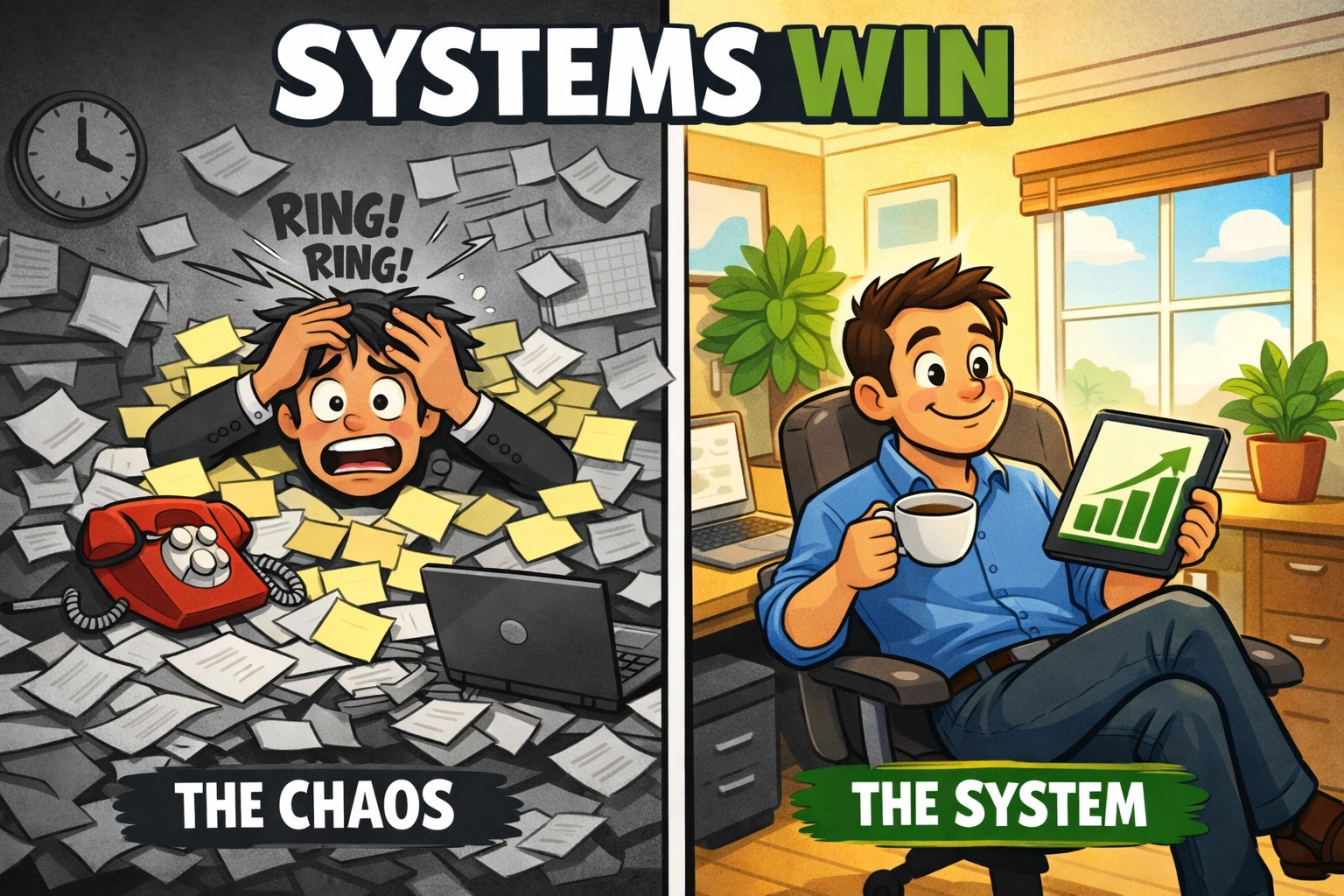
How does your current process compare to a professional lead handling system? Let's look at the numbers.
| Feature | The "Busy Owner" Way (DIY) | The Every Enquiry Way (Structured) |
|---|---|---|
| Response Time | 2-4 hours (or next day) | Under 5 minutes (Automated) |
| First Contact | Voicemail / Manual Email | Instant Text / Personalised Sequence |
| Follow-up Frequency | 1 or 2 attempts | 5+ scheduled touchpoints |
| Data Tracking | Scraps of paper / Memory | Centralised CRM Dashboard |
| Lead Quality | Takes anyone who calls | Qualifies and scores leads first |
| Conversion Rate | Low (5-10%) | High (25%+) |
The CRM: Your Business's Central Nervous System
You cannot manage lead conversion in your head. As your business grows, things will fall through the cracks. Using a CRM allows you to automate the "boring" stuff so you can focus on the "human" stuff.
For example, when a lead enters your system, the CRM can:
- Send an immediate "Welcome" pack with your pricing and FAQs.
- Task you to call them at a specific time.
- Notify you if they haven't opened your quote after 48 hours.
This isn't just about software; it's about building a structured follow-up system that works while you sleep.
From Conversation to Final Invoice
The final stage of lead conversion is the transition from a lead to a client. This is where your professionalism shines.
- Professional Quotes: Send clear, digital quotes that can be accepted with one click.
- Clear Next Steps: Tell them exactly what happens after they pay the deposit.
- Onboarding: Use the momentum of the sale to gather the information you need to start the work.
If you make it hard for people to pay you, they won't. If your invoice is a messy Word document sent three weeks late, you’re damaging your brand. Speed and clarity win every time.
Why Small Businesses Should Prioritise Conversion Over Generation
Many digital marketing agencies will tell you that you need more leads. They’ll want you to spend more on Google Ads or Facebook. But if your conversion rate is only 5%, doubling your leads just means you're wasting twice as much money.
At Every Enquiry, we believe in fixing the bucket first. If we can move your conversion rate from 10% to 20%, you’ve doubled your business without spending an extra penny on advertising. That is the power of effective lead handling for SMEs.
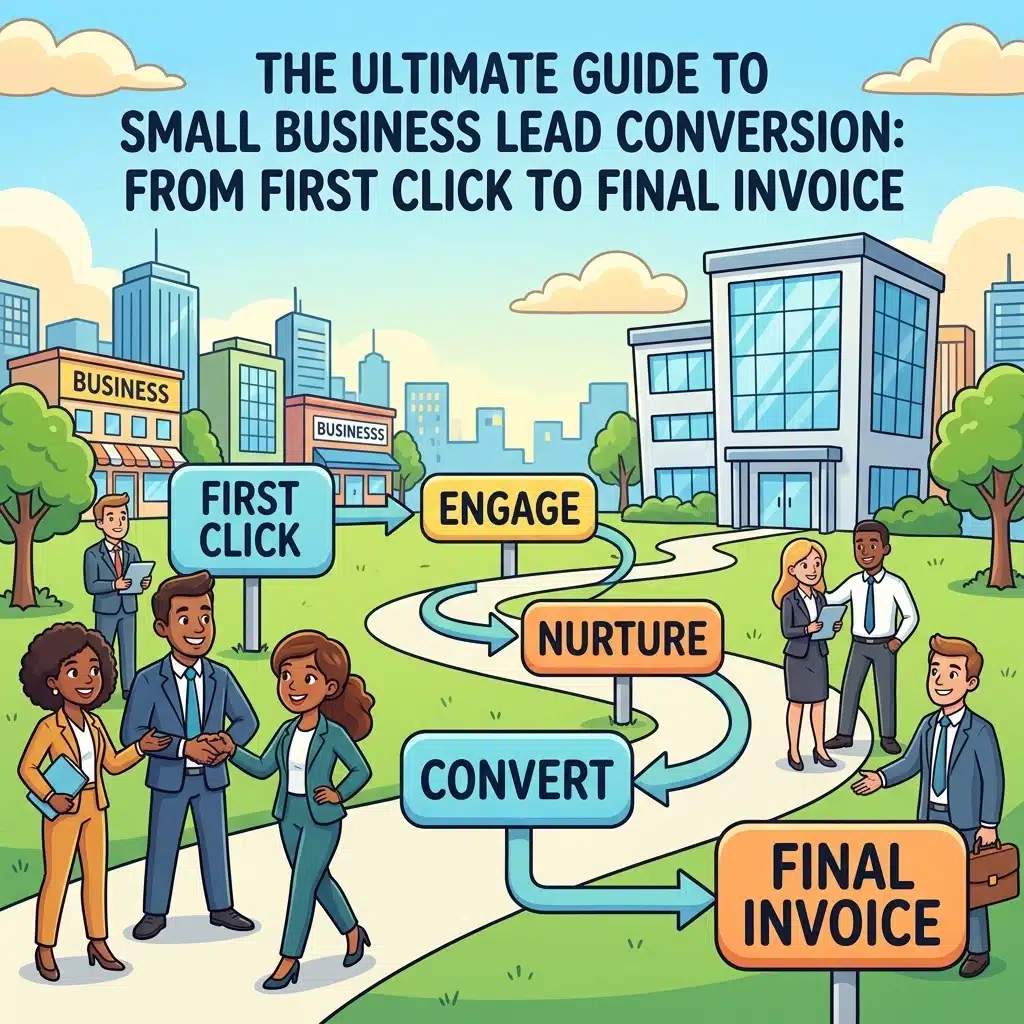
Summary of the Journey
- Visibility: Create content that answers the hard questions your customers are actually asking.
- Response: Stop letting calls go to voicemail. Use automation to respond instantly and claim the "speed to lead" advantage.
- Conversion: Implement a CRM and a structured follow-up system to nurture leads until they are ready to buy.
- Invoicing: Make it incredibly easy for people to say "yes" and pay for your services.
Running a business is hard enough. Don't make it harder by losing the leads you've already worked so hard to get.
If you're ready to stop the leaks in your sales funnel, check out our pricing or contact us today. We help UK service firms turn "just looking" into "here’s my deposit."
Frequently Asked Questions (FAQ)
What is the most common reason small businesses lose leads?
The most common reason is slow response times. Most prospects contact 3-5 businesses at once. The business that responds first usually wins the job. If you wait more than 10 minutes to respond, your chances of converting that lead drop significantly.
Do I really need a CRM for a small team?
Yes. Even a one-person business benefits from a CRM. It ensures you never forget to follow up on a quote and keeps all your customer information in one place. It moves your business from being reactive to being proactive.
Isn't automation a bit impersonal for a service business?
It doesn't have to be. Good automation handles the "admin" (confirming receipt, sending basic info) so that when you do speak to the customer, you can focus entirely on their specific needs. It actually allows you to be more personal because you aren't stressed about missing emails.
How do I know which leads to follow up on first?
Use lead scoring. You can categorise leads based on their budget, their urgency, or how they interacted with your website. Focus your manual energy on the "Hot" leads and let your automated systems nurture the "Cold" or "Warm" ones.
What is "They Ask, You Answer"?
It’s a business philosophy by Marcus Sheridan. It suggests that the best way to grow a business is to become the most trusted resource in your industry by honestly answering every question a customer might have: even the uncomfortable ones about price and competition.
How can Every Enquiry help my trade business?
We specialise in the "Response" and "Conversion" phases. We provide the systems and strategies to ensure every enquiry is handled professionally and promptly, so you can focus on the actual work while we help you fill your diary.
Is it better to focus on SEO or lead conversion?
You need both, but you should focus on conversion first. There is no point in driving 1,000 people to your website via SEO if your enquiry handling system is broken. Fix the conversion process, then turn on the visibility tap.
Martyn Lenthall is the Director of Every Enquiry, a specialist firm helping UK service businesses master their lead handling and conversion.