Let’s be honest for a second. You’re likely spending a fair chunk of change on marketing. Whether it’s Google Ads, local SEO, or even just the time you spend posting on Facebook, you’re paying to get people to notice you. But what happens when that phone rings while you’re on a job? Or when an enquiry hits your inbox at 7:00 PM on a Tuesday while you’re finally sitting down for tea?
If you’re like most SME service businesses in the UK, the answer is usually: "nothing." At least, not for a few hours. Sometimes not for a few days.
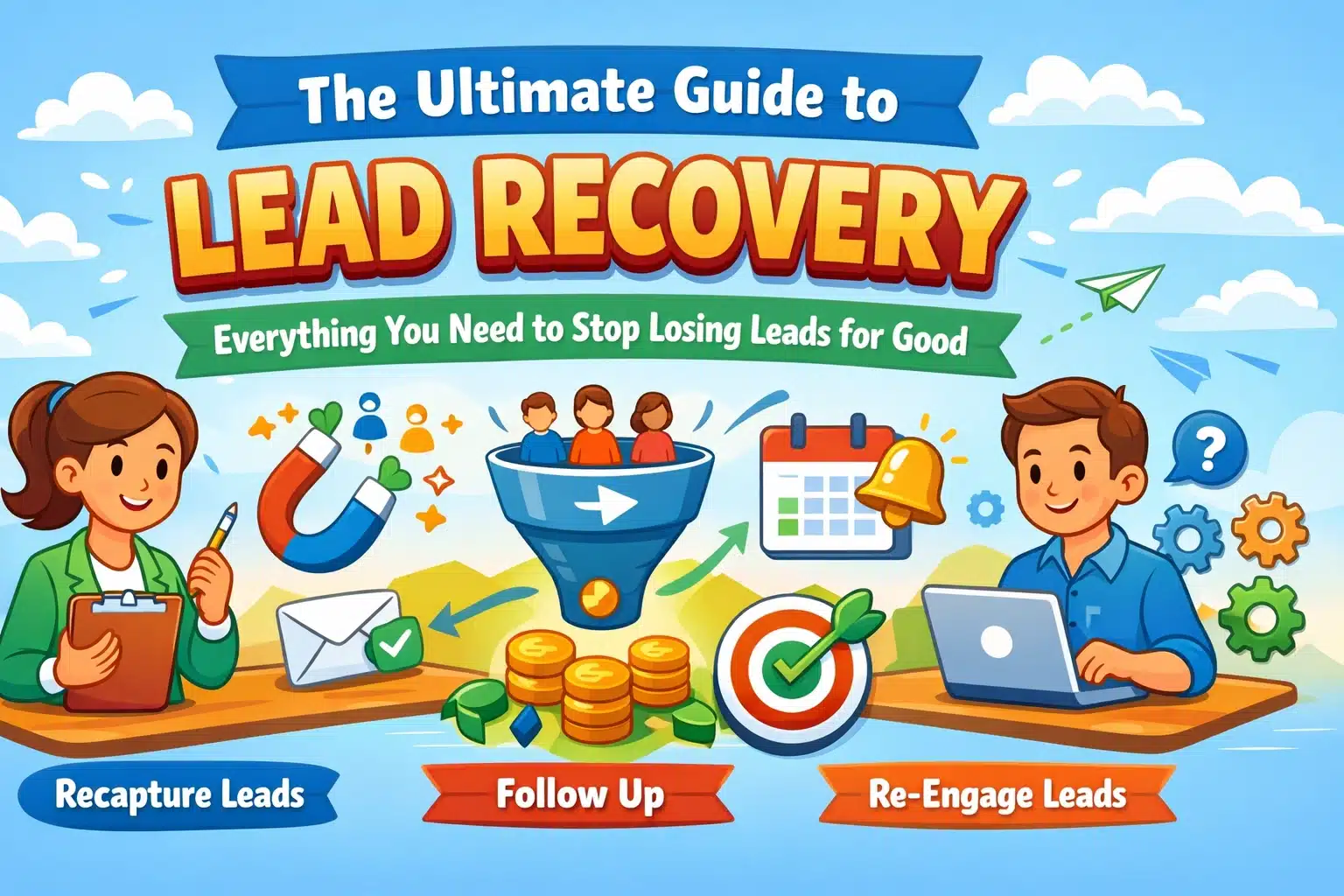
In the world of digital marketing, we call this a "leaky bucket." You’re pouring leads into the top, but they’re spilling out of the holes in your process before they ever get to the "paying customer" stage. This guide isn’t just about getting more leads; it’s about lead recovery. It’s about plugging those holes and winning back the business you’ve already paid to attract.
I’m Martyn Lenthall, Director at Every Enquiry, and I’ve seen hundreds of firms lose thousands of pounds simply because they didn’t have a system to catch the ball when it was dropped. Let’s fix that.
Why Do Leads Go Cold? (The Elephant in the Room)
Before we look at how to recover leads, we have to understand why we’re losing them. Most business owners think they have a "lead quality" problem. They say, "The leads I get from the website are just tyre-kickers."
Usually, they aren’t tyre-kickers. They’re just people who have a problem right now. If you don’t answer that problem right now, they’ll find someone who will. According to Harvard Business Review, companies that try to contact potential customers within an hour of receiving an enquiry are nearly seven times as likely to have a meaningful conversation as those who wait even sixty minutes.
If you wait 24 hours? You might as well set that lead’s contact details on fire.
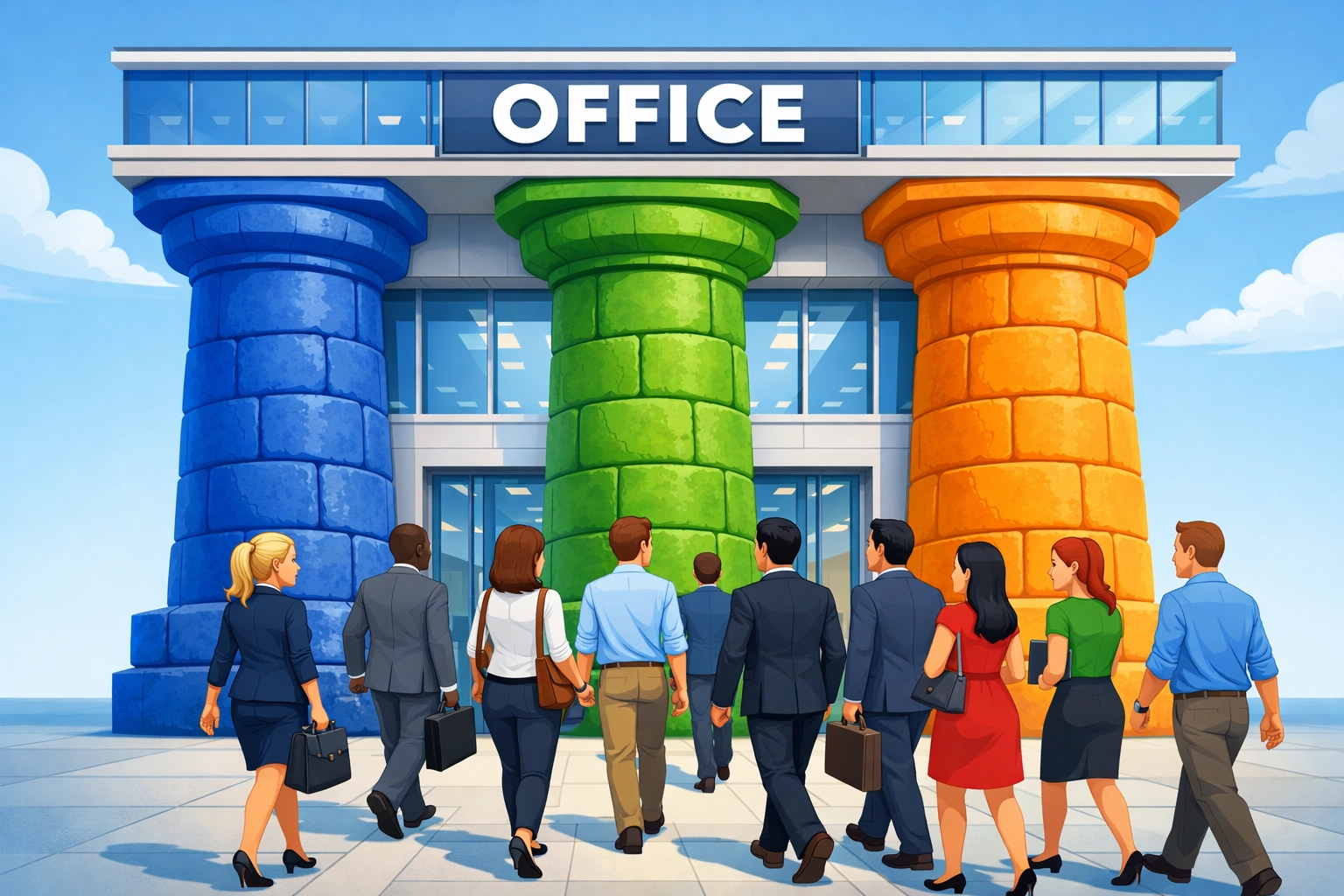
The Three Pillars of Lead Retention
At Every Enquiry, we break this down into three stages:
- Visibility: Can they find you and trust you enough to reach out?
- Response: How fast and professional is your first touchpoint?
- Conversion: What is your system for following up until they say "yes" or "go away"?
If any of these pillars are weak, your lead recovery will be an uphill battle.
Phase 1: Visibility – Identifying the Gaps
Lead recovery actually starts before the lead is even lost. It starts with your Visibility. If a lead finds your website but finds it difficult to contact you, or if your contact form is broken, you’ve lost them before you even knew they existed.
The Hidden Cost of "Ghost Leads"
A "ghost lead" is someone who visited your site, had the intent to buy, but left because they couldn't find a phone number or didn't want to fill out a 20-field form.
To improve your visibility, you need to make it incredibly easy for people to start a conversation. This means:
- Click-to-call buttons at the top of every page on mobile.
- Simple enquiry forms (Name, Email, Phone, and "How can we help?").
- Live chat or Digital Receptionist services to catch people after hours.
If your website isn't optimized for these quick interactions, you are losing money. You can read more about this in our article on whether your website is losing you money.
Phase 2: Response – The "Digital Receptionist" Mindset
This is where the magic (and the money) happens. Most SMEs fail because they are "on the tools." If you’re a plumber under a sink or a solicitor in a hearing, you can’t answer the phone.
But the customer doesn't care. They want an answer.
The 5-Minute Rule
Research from InsideSales shows that if you respond to a lead within 5 minutes, your chances of converting them are 100x higher than if you wait 30 minutes.
If you can't be at your phone 24/7, you need a system. This is what we call enquiry handling. A structured response system ensures that every single person who reaches out gets a human-like, professional, and immediate acknowledgement.
Why Automation Isn't Enough
We’ve all received those "Thank you for your enquiry, we will get back to you in 24-48 hours" emails. They are useless. They tell the customer: "Go keep searching on Google because we're busy."
Lead recovery requires a proactive response. If you missed a call, an automated text should go out immediately: "Hi, it's Martyn from Every Enquiry. Sorry I missed your call. How can I help you today?" This simple text stops them from calling your competitor.

Phase 3: Conversion – The Lead Recovery Framework
Now, let's talk about the leads that did get through but went cold. Maybe you sent a quote and didn't hear back. Maybe they asked a question, you answered, and then… silence.
Most business owners follow up once and then give up because they don't want to be "pushy." Here’s a secret: Professional follow-up isn't pushy; it's helpful.
The 5-Step Lead Recovery Framework
- The "Still Interested?" Check: A short, casual email or text 48 hours after the initial contact.
- The Value Add: Send them a link to a blog post or a guide (like this one!) that solves a problem they mentioned. This proves you were listening.
- The Phone Call: If they haven't replied to digital messages, pick up the phone. A 2-minute conversation can do more than ten emails.
- The "Break-Up" Message: After 14 days of silence, send a final message. "Hi [Name], I haven't heard back regarding the [Service], so I’ll assume this isn't a priority right now and will close your file. If you need us in the future, you know where we are."
- Result: This often triggers a response from people who were just busy.
- The Long-Term Nurture: Put them on a monthly newsletter list (with their permission). People's circumstances change.
If you want a deeper dive into why your conversion might be failing, check out our 10 reasons your lead conversion isn't working.
Comparing Manual vs. Structured Lead Recovery
Many SMEs try to manage their leads using a "mental filing cabinet" or a messy inbox. Let's look at how that stacks up against a structured conversion system.
| Feature | Manual Handling (The "Busy" Method) | Every Enquiry Structured System |
|---|---|---|
| Response Time | 2 – 24 hours | Under 5 minutes (Automated/Human mix) |
| Follow-up Consistency | Hit or miss (mostly miss) | Guaranteed 5+ touchpoints |
| Data Tracking | None (Post-it notes) | Full CRM visibility |
| Customer Perception | "They're a bit disorganized" | "Wow, they are on the ball!" |
| Cost of Lost Leads | High (Thousands in wasted ads) | Low (Maximised ROI) |
| Scalability | Impossible (You run out of time) | Seamless (The system does the work) |
Applying "They Ask, You Answer" to Lead Recovery
Marcus Sheridan’s "They Ask, You Answer" philosophy is simple: if a customer has a question, answer it transparently. How does this apply to recovering lost leads?
Most leads go cold because they have a hidden fear or objection they haven't voiced. To recover them, you need to address these "Big 5" topics in your follow-up content:
- Cost and Price: Be open about what things cost.
- Problems: Discuss the potential downsides or things that can go wrong.
- Comparisons: How do you stack up against the competition?
- Reviews: Show them what others are saying.
- The "Best of" lists: Be the expert in your niche.
If a lead stops responding to your quote, don't just ask "Are you ready to buy?" Instead, send them a guide on "5 Things to Look for When Hiring a [Your Industry] Professional." You aren't selling; you're educating. This builds the trust necessary for lead conversion.

Stop the Bleeding: Actionable Steps for Today
You don't need a £10,000 software suite to start recovering leads. You can start today with these three steps:
1. Audit Your Response Time
Go to your website right now. Fill out your own contact form. See how long it takes for your system (or you) to respond. If it’s more than 10 minutes, you have a problem. If the email looks like a generic template from 2005, you have a bigger problem. Read our 5-step framework for improving response times for a quick fix.
2. Implement a "Missed Call Text Back"
If you use a mobile for business, there are dozens of apps (and services like ours) that can automatically text someone back if you miss their call. This is the single easiest way to stop a lead from calling the next person on Google.
3. Review Your "Dead" Leads
Go back through your emails from the last 30 days. Find five people who inquired but never booked. Send them a personal, casual message: "Hi [Name], I was just clearing my desk and saw we spoke a few weeks ago about [Project]. Did you ever get that sorted, or are you still looking for some help?"
You’ll be surprised how many people simply "forgot" or got distracted.
The Role of Social Media in Lead Recovery
Don't forget that enquiries come from everywhere these days: Facebook, Instagram, LinkedIn, and WhatsApp. If you are only checking your email, you are losing leads.
Social media management for SMEs isn't just about posting pretty pictures; it’s about managing the conversation. A lead coming in via a Facebook DM is just as valuable as a phone call. If you're struggling to keep up with the noise, our social media management services focus on turning engagement into actual enquiries.

Final Thoughts
Lead recovery isn't a dark art. It’s simply about being more organised and more human than your competitors. In the UK service sector, the bar is often set quite low. If you are the person who answers the phone, follows up consistently, and provides honest answers to difficult questions, you will win.
At Every Enquiry, we're obsessed with this. We don't just want to get you clicks; we want to make sure those clicks turn into cash. Whether it’s through better visibility, faster responses, or a tighter conversion strategy, we’re here to help you stop losing leads for good.
If you’re ready to see how we can help you plug the holes in your bucket, check out our pricing or contact us for a chat.
Frequently Asked Questions (FAQ)
What is the most common reason SMEs lose leads?
The most common reason is speed to lead. Most SMEs are busy working and cannot respond to an enquiry within the "golden window" of 5 to 10 minutes. By the time the business owner calls back, the customer has already booked with a competitor who answered the phone.
Is lead recovery expensive to implement?
Not necessarily. While professional services carry a cost, they often pay for themselves by closing just one or two "lost" deals. You can also start with free or low-cost methods like improving your email templates and being more disciplined with your follow-up calls.
How many times should I follow up before giving up?
General sales wisdom suggests it takes between 5 and 12 touchpoints to make a sale. Most SMEs stop after one or two. We recommend at least five follow-ups over a two-week period, varying the medium (email, text, phone) and the value offered.
What is a "Digital Receptionist"?
A Digital Receptionist is a system (often a mix of technology and human oversight) that handles incoming enquiries instantly. It ensures that no matter when a lead contacts you, they receive a professional response that gathers their details and sets expectations for the next steps.
Does lead recovery work for tradespeople (plumbers, electricians, etc.)?
Absolutely. In fact, it’s arguably more effective for trades. Customers looking for a plumber are usually in a hurry. If you can be the first to respond professionally, you have a massive advantage over the competition who are ignoring their phones while on a job.
Can Every Enquiry help me manage my existing leads?
Yes. We specialise in the entire journey from visibility to conversion. We help you set up the systems that catch, nurture, and recover leads so you can focus on the work you're best at.
What should I do if a lead tells me my price is too high?
Don't ignore them! This is a lead recovery opportunity. Address the price head-on. Explain why you cost what you do (the quality of materials, the guarantee, the experience). Often, people object to price because they don't yet understand the value. Use your follow-up to educate them.